Yurts
Discover Yurts in the Lake District: A Unique Glamping Experience
Twenty to thirty-eight square metres of circular canvas with a stove in the middle. The best family glamping in Cumbria for five months of the year, and closed for the other seven.
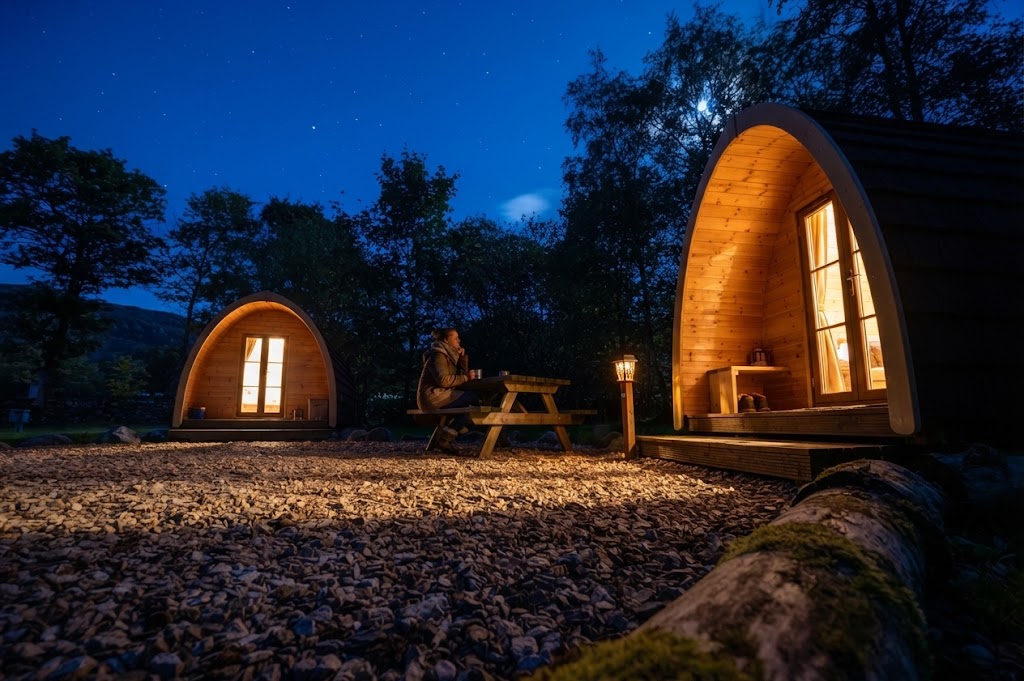
TL;DR
- A yurt gives you 20–38 square metres and a central wood burner, sleeping four to six. The best floor space per pound in Lakeland glamping.
- Season runs roughly April to October. Almost none open in winter.
- Rates: £120–£200 a night, so £25–£45 per person at full occupancy.
- Long Valley Yurts, Lakes Yurts and Inside Out Yurts are the recurring Cumbrian names.
- No sound privacy at all. Canvas is canvas. Book one per family, not one per group.
Introduction to Yurts in the Lake District
What Are Yurts and Their Appeal?
A yurt is a circular dwelling built on a lattice frame of timber, covered with canvas and often an inner layer of felt, with a domed roof of rafters converging on a central compression ring. The design originates with the nomadic peoples of the Central Asian steppe, where it has been in continuous use for something like three thousand years. It is one of very few building types that survived essentially unchanged because it was already correct.
What makes it work as glamping accommodation: the circular plan uses space efficiently, the frame is demountable, the height at the centre lets you stand up properly, and the central stove heats the whole volume evenly. A 5-metre yurt gives you around 20 square metres of usable floor. A 7-metre yurt gives you nearly 38.
Yurts became popular in the Lake District for a specific set of reasons. Planning policy inside a national park favours reversible, seasonal, low-impact structures — and a yurt can be taken down completely each autumn, which makes permission considerably easier than for a permanent building. They also solve a problem pods cannot: families need floor space, and a pod does not have any.
The experience is distinctive rather than merely comfortable. You hear the weather. You can see the sky through the roof ring. The stove is the centre of the evening, and the acoustics of a canvas dome do something odd and pleasant to conversation. It feels less like a room and more like a shelter, which is closer to the point of the whole exercise.
Where to Find Yurts in the Lake District
Cumbria's yurt sites concentrate where the ground is level enough, the access is good enough for delivery, and the weather is manageable. That points to the valley floors and the drier fringes rather than the high fells.
| Area | Supply | Season | Character |
|---|---|---|---|
| Great Langdale & central valleys | Moderate | Apr–Oct | Spectacular, wet, walkers everywhere |
| Eden Valley & Penrith | Moderate | Apr–Oct | Driest, quietest, gentle country |
| Lyth & Winster valleys | Moderate | May–Sep | Orchards, low fells, near Kendal |
| Ullswater & Pooley Bridge | Low | Apr–Oct | Lake access, steamer, views |
| Coniston & Grizedale | Low | May–Sep | Forest, bike trails, quiet water |
| Western valleys | Very low | May–Sep | Remote and beautiful, nothing nearby |
The national park around them holds sixteen major lakes, 214 catalogued fells and England's highest ground at Scafell Pike, 978 metres, across 2,362 square kilometres of Cumbria. UNESCO listed the whole cultural landscape in 2017. Yurt sites, being on valley floors, tend to sit within walking distance of water and driving distance of the big summits.
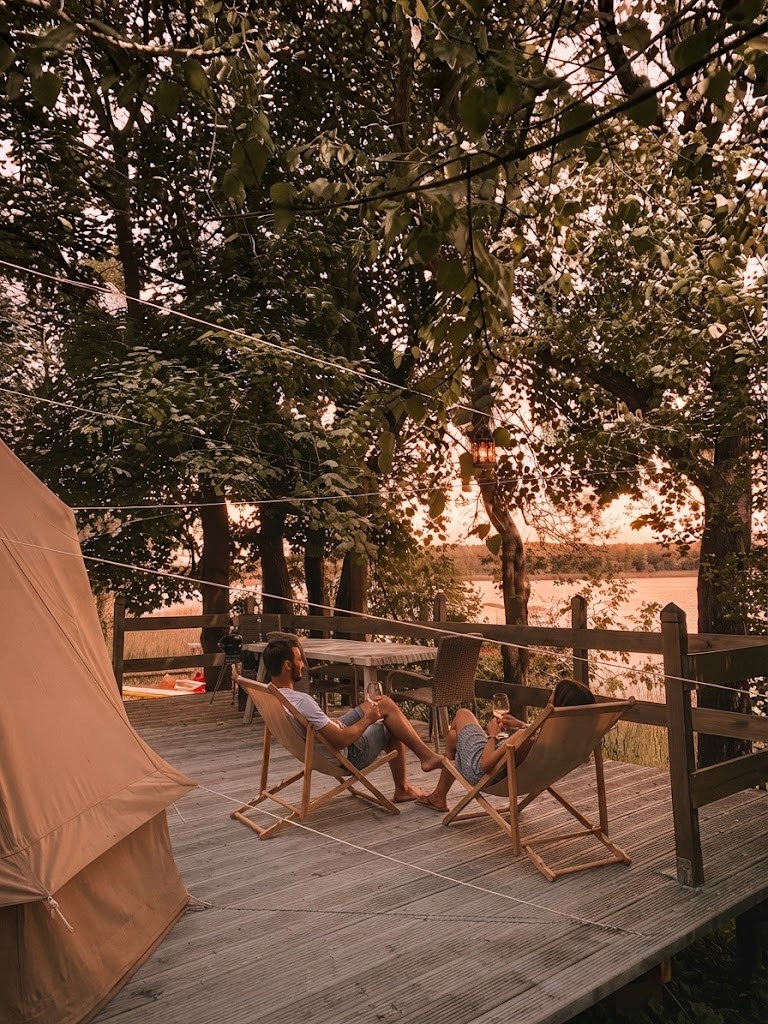
Exploring Yurt Accommodation Options
Top Yurt Providers in the Lake District
Three names recur in Cumbrian yurt searches, and each represents a slightly different model.
Long Valley Yurts operates across multiple Lakeland sites, including locations in the Langdale and Coniston areas. Multi-site operation is the distinguishing feature: it means consistent fit-out, a proper booking system, and the ability to offer you an alternative when your first choice is full. Their yurts sit on established campsites, so facilities blocks are decent and there are usually other families about. What you trade is solitude.
Lakes Yurts represents the smaller, more locally-rooted end — fewer units, more specific settings, and the sense that someone chose the exact spot each yurt occupies. Sites of this type tend to score higher on setting and lower on facilities.
Inside Out Yurts, part of the same Inside Out Camping and Glamping operation that works the bell tent market, sits at the simpler and cheaper end. Canvas, beds, basic furniture, shared facilities, fire pits. It is the option to consider if the yurt itself is the point and you do not need a shower block with underfloor heating.
Comparing Yurt Amenities and Features
Common amenities across Cumbrian yurt providers:
- Wood burner with a flue through the roof, and a starter bundle of logs
- Real beds — a double plus singles or a futon arrangement
- Bedding, either included or available to hire
- Rugs and matting over a timber or membrane floor
- Lanterns, fairy lights, sometimes a single mains socket
- A table and seating, indoors or on a deck
- Cool box or, at better sites, a fridge in a shared kitchen
- Fire pit and barbecue outside
- Shared shower and toilet block, usually heated
| Multi-site operator (Long Valley style) | Small local operator (Lakes Yurts style) | Simple canvas site (Inside Out style) | |
|---|---|---|---|
| Units per site | 4–12 | 1–4 | 4–15 |
| Facilities | Good, campsite standard | Variable | Basic but clean |
| Fit-out | Consistent, well equipped | Individual, sometimes charming | Simple, functional |
| Bedding | Usually included | Usually included | Often hire |
| Booking | Online system | Email or phone | Online |
| Rate | £150–£200 | £140–£190 | £110–£160 |
| Best for | Families wanting reliability | Couples and small families wanting setting | Budget, groups, atmosphere |
On comfort and luxury: a well-appointed yurt with a lit stove, sheepskins on the beds and lanterns going is one of the most genuinely lovely places to spend an evening in Cumbria. What it does not have is a bathroom, a lockable door, sound insulation or any prospect of being warm at 5am. Judge it as excellent camping rather than as a hotel room and it exceeds expectations comfortably.
Planning Your Yurt Stay
Availability and Pricing of Yurts
Yurt availability is compressed into about six months, which makes it tighter than pod availability even though there is less competition.
| Period | Rate, 4–6 people | Availability | Notes |
|---|---|---|---|
| April | £110–£150 | Good | Cold nights. Stove essential |
| May–June | £130–£170 | Moderate | Driest months, long evenings. Our pick |
| July–August | £165–£220 | Poor | Book by February |
| September | £130–£175 | Good after the first week | Warm water, fewer people |
| October | £110–£150 | Good | Many sites close mid-month |
| November–March | — | Closed | Book a pod instead |
At full occupancy the maths is compelling. A £180 yurt sleeping six is £30 a head, against £70 a head for two people in a £140 pod. If you have the bodies to fill it, a yurt is the cheapest comfortable glamping in the Lake District.
Peak season tips: book February for August, be flexible on which site rather than which operator, take Sunday-to-Friday over Friday-to-Sunday, and consider the last week of September, which is warm enough to swim and 20% cheaper.
Booking Your Yurt Experience
Step by step:
- Confirm the site's open season. This is the constraint that catches people out.
- Check the yurt diameter and sleeping layout. "Sleeps six" can mean six adults or four adults and two children on futons.
- Establish the bedding position. Included, hire at around £15 a head, or bring your own.
- Ask about firewood. A starter bundle then £8–£12 a net is normal, and you will use two on a cool night.
- Ask about electricity. One socket, or none.
- Check facilities distance from the yurt. With children, fifty metres matters.
- Read the cancellation terms, then book direct where possible.
Special offers to look for: shoulder-season midweek deals in April, May, September and October; three-for-two-night promotions; and multi-yurt discounts if you are booking two for an extended family. Several operators discount the whole site for exclusive-use group bookings, which for a milestone birthday is worth asking about.
Cancellation terms follow the usual glamping pattern: deposit of 25–30% at booking, balance two to four weeks out, full refund outside 28 days and partial or none inside it. Canvas sites are slightly more flexible than pod sites, because they carry more spare capacity midweek.
Understanding the Glamping Experience
What to Expect from Glamping in the Lake District
Glamping means the shelter is supplied, furnished and ready. You bring food and clothes. In the Lake District that shelter is usually a timber pod, sometimes a shepherd's hut, and from April to October a yurt, safari tent or bell tent.
A typical yurt day looks something like this. You wake at six because canvas does not block light. You light the stove and put a kettle on it. You walk somewhere — a fell, a lake, a forest. You come back muddy and cook outside or in a shared kitchen. You light the stove properly, eat, and sit in the doorway while it gets dark, which in June takes until nearly ten. Then you sleep well, because you have been outdoors for fourteen hours.
Benefits over traditional camping:
- No pitching, no packing a wet tent, no groundsheet condensation
- Real beds, so people over thirty-five sleep properly
- A wood burner, which is transformative in April and October
- Standing headroom, which sounds trivial and is not
- Enough floor space for a family to coexist during rain
What glamping does not remove: the walk to the toilet, the cold at dawn, and the fact that everything you own will smell faintly of woodsmoke by Wednesday.
Reviews and Testimonials from Yurt Guests
Common themes across Cumbrian yurt reviews:
Praised consistently:
- Space. Families arriving from a pod stay are routinely delighted
- The stove, and how quickly a yurt heats up
- Atmosphere in the evening — lanterns, canvas, fire
- Value at full occupancy
- Children loving it unreservedly, which is the point for most bookers
Raised consistently:
- No sound privacy. Everyone hears everything, inside and between yurts
- Cold at 5am once the stove has gone out
- Condensation on the inner canvas in humid weather
- Distance to the facilities block, especially with small children
- Insects in high summer, particularly midges near still water at dusk
- Firewood costs adding up across a week
None of these are faults so much as properties of canvas. The reviews that go badly wrong are almost always from people who expected a hotel room and got a tent with a stove in it. Ours is the opposite advice: expect a very good tent and you will have an excellent week.
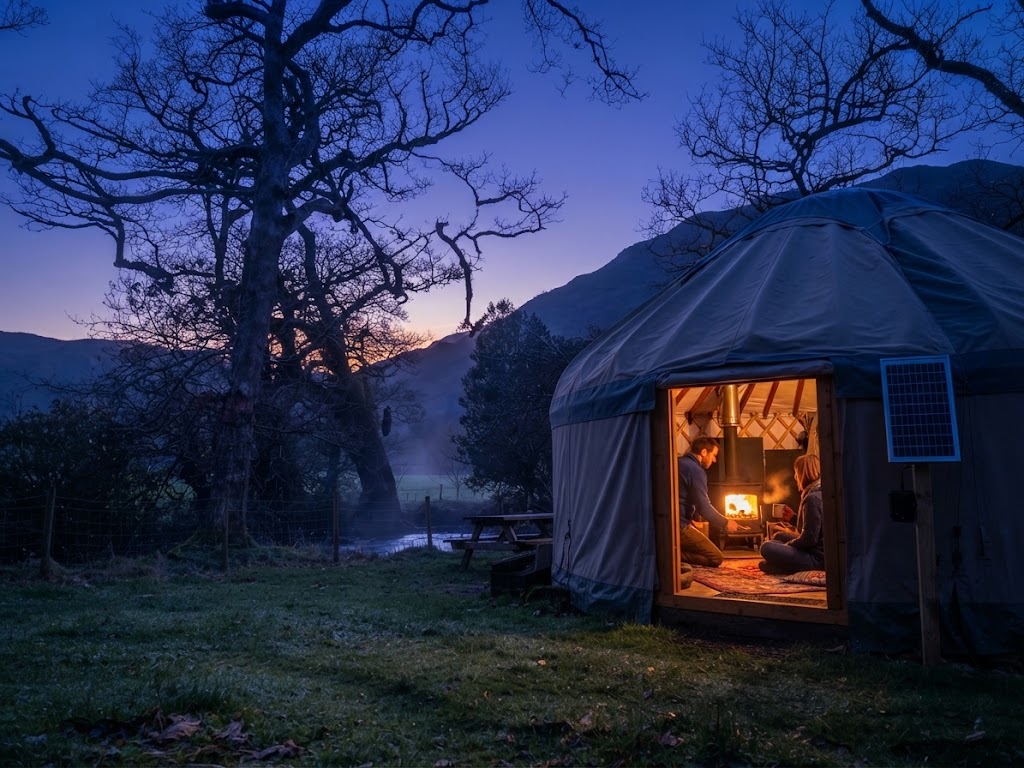
Exploring the Lake District
Location and Surroundings of Yurt Sites
Yurt sites sit on level valley-floor ground within the Lake District National Park, in Cumbria, north-west England. The park's geography is radial — a central dome of volcanic and slate rock with valleys running outward like spokes, each one holding a lake or tarn. Yurt sites occupy the flatter lower sections of those valleys, which puts them near water and under fells rather than on them.
Proximity from a typical yurt site:
- Water within walking distance at most sites: a lake, a tarn or a beck
- A fell within an hour's walk, though rarely a major summit
- A village with a pub at one to three miles
- A town with a supermarket at five to fifteen miles
- Major attractions — Windermere, Keswick, Grasmere — within a thirty to forty-minute drive
The tranquillity is real, and it is partly because canvas sites close in winter and so avoid the year-round tourism infrastructure. A Langdale yurt field in late May, with the Pikes above and nobody else awake, is about as good as English camping gets.
Activities and Attractions Near Yurt Accommodations
Popular activities from a yurt base:
- Fell walking. The Langdale Pikes, Catbells, the Old Man of Coniston, Hallin Fell for something short.
- Wild swimming. Blea Tarn, Rydal Water, Crummock Water, Coniston Water.
- Ghyll scrambling. Stickle Ghyll in Langdale and Church Beck at Coniston. Guided is safer.
- Mountain biking. Grizedale and Whinlatter, both with hire on site.
- Paddleboarding and kayaking. Coniston, Derwentwater and Ullswater are the calmest.
- Steamer trips. Ullswater and Windermere, both useful as one-way walking transport.
Nearby attractions and points of interest:
- Dove Cottage and the Wordsworth Museum, Grasmere
- Hill Top and Wray Castle, both National Trust
- Brantwood above Coniston Water
- Honister Slate Mine, working, with a via ferrata
- Grizedale Forest's sculpture trail
- Castlerigg stone circle near Keswick
Tips for making the most of a yurt stay: light the stove before dinner, not after. Bring more firewood than you think. Put a head torch by each bed. Cook outside on the good evenings and use the shared kitchen when it rains. And book the last week of September if you possibly can — warm water, empty paths, and canvas sites still open.
The Lake District National Park Authority publishes free route and parking information, and Visit Lake District covers events and travel. Both are worth twenty minutes before you go.
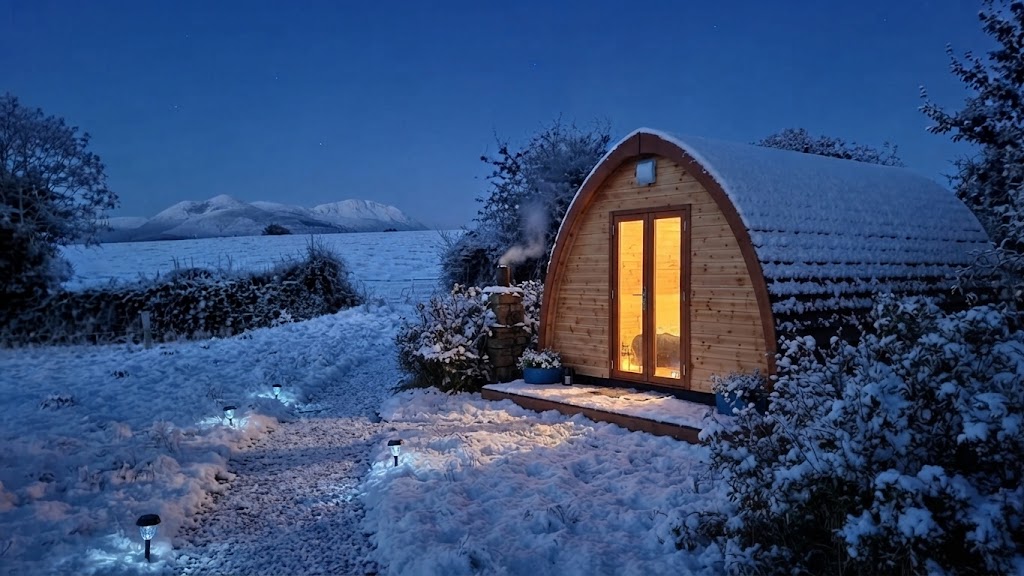
Questions people ask
What is a yurt?
A circular tent on a lattice timber frame, covered in canvas and often felt, with a domed roof supported by rafters meeting a central ring. The design is Central Asian and several thousand years old. UK glamping yurts are usually 4 to 7 metres across with a wood burner in the middle and a smoke flue through the roof.
How many people sleep in a Lake District yurt?
Four to six. A 5m yurt takes a double and two singles comfortably. A 7m yurt can take a double plus four singles, though at that point everyone is sleeping in one room and you should know each other well.
Are yurts warm enough for a Lake District spring?
With the burner lit, extremely — a stove in a 5m yurt gets uncomfortably hot. Overnight it cools quickly because canvas has no thermal mass. April and October evenings are fine; the 4am trip outside is not.
Do yurts have electricity?
Many do, usually a single socket and a light. Plenty do not, relying on lanterns and the stove. Ask specifically if you need to charge anything, and bring a power bank either way.
Can you stay in a Lake District yurt in winter?
Almost never. Canvas structures come down in late October and go back up in spring, both to protect the fabric and because demand collapses. If you want a winter Cumbrian glamping stay, book a pod or a shepherd's hut.