Ullswater
Discover Glamping in Ullswater: A Unique Lake District Experience
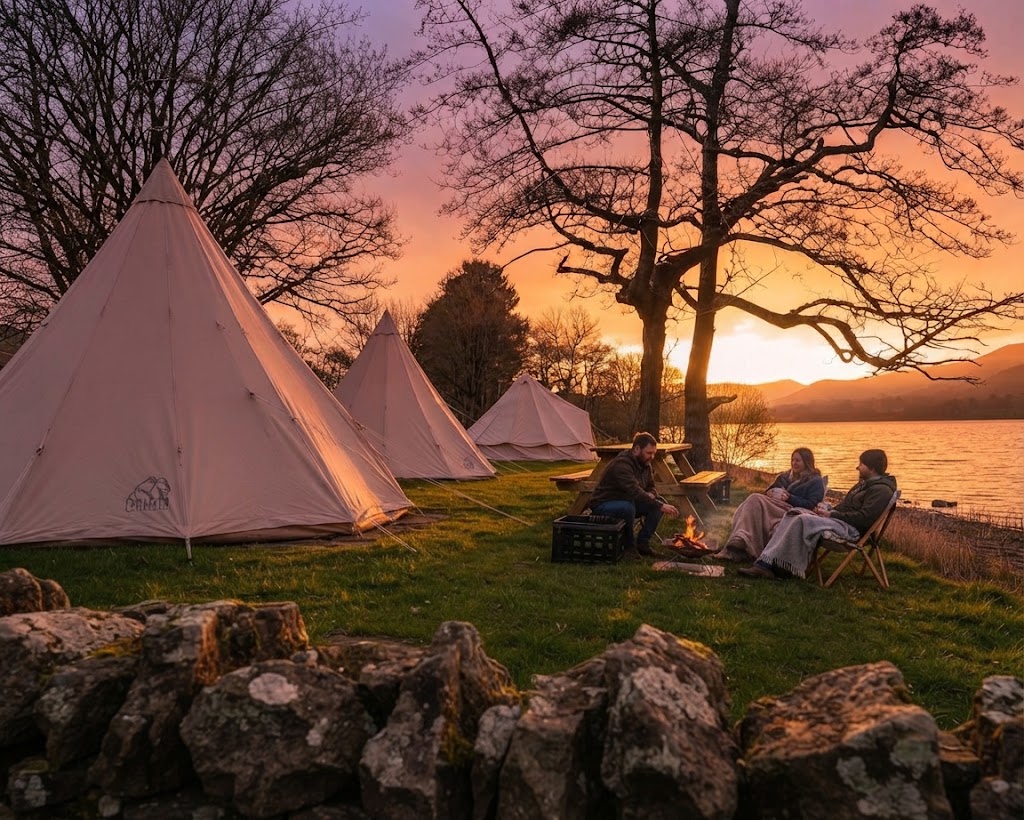
The best-value serious glamping in Cumbria. Ullswater gives you the second-largest lake, the finest shoreline walk in England, and three well-known sites with very different personalities.
TL;DR
- Ullswater is the strongest all-round glamping base in the Lake District — lake, steamer, big fells, and quieter than Windermere.
- Hillcroft Park, Troutbeck Head and The Quiet Site are the three names you will meet. They differ more than their marketing suggests.
- Rates run £120–£220 standard, £220–£330 with a private hot tub.
- The 508 bus from Penrith puts Ullswater within reach without a car.
- Sustainability credentials here are genuinely better than the Lakeland average, particularly at The Quiet Site.
Exploring Glamping Options Near Ullswater
Top Glamping Sites Around Ullswater
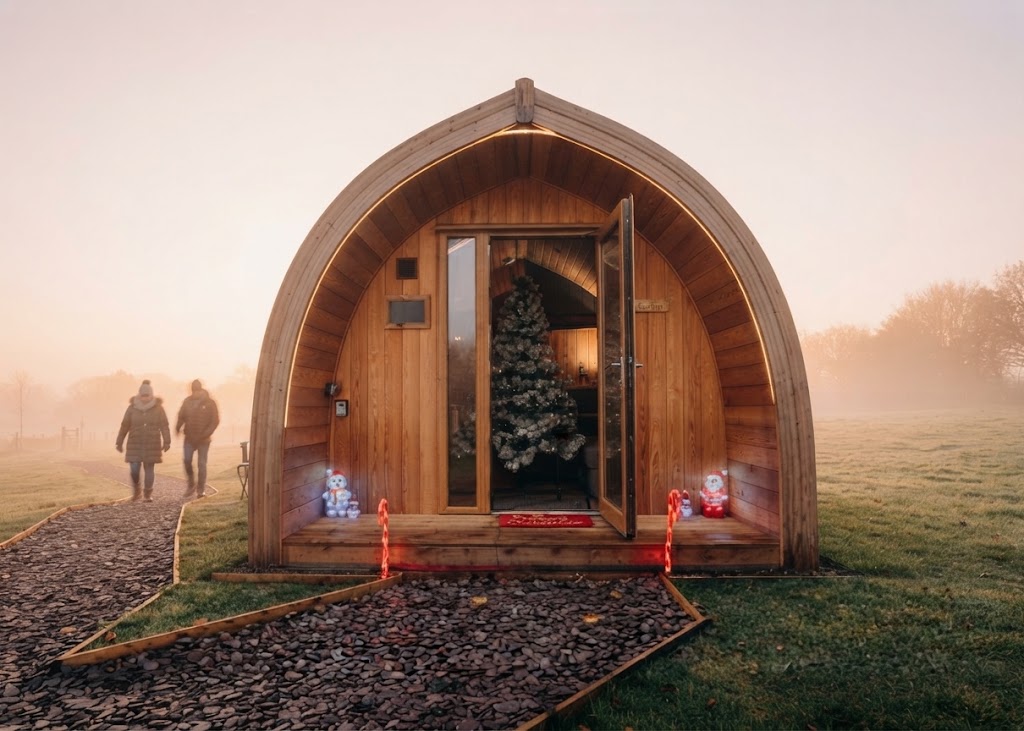
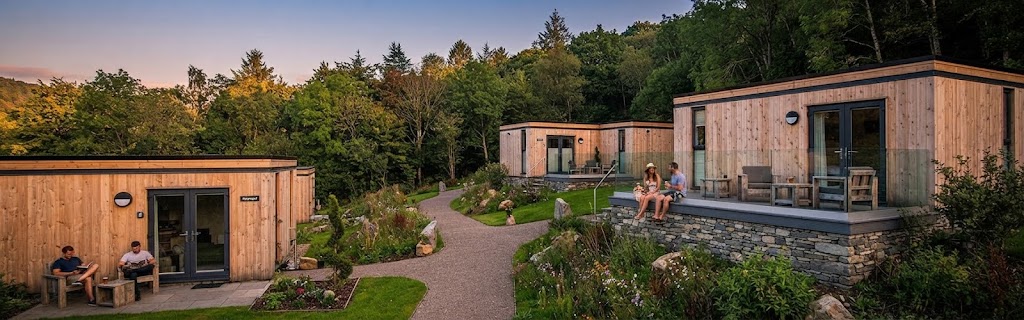
Glamping means the shelter is supplied, furnished and ready — a pod, hut, yurt or safari tent with a bed and usually mains power. Its appeal in the Lake District is that it puts you inside the landscape rather than beside it, at a price between a campsite pitch and a cottage.
Ullswater is, in our view, the best base in the national park for it. The reasons are specific. It is the second-largest lake in the district at nine miles long, with a genuinely dramatic southern end where the fells close in. It has a steamer service that doubles as walking transport. It sits directly beneath the Helvellyn range, so serious fells are accessible without a long drive. And it carries perhaps half the visitor pressure of Windermere for a comparable landscape.
Three sites dominate the search results, and they represent three different propositions:
- Hillcroft Park, Pooley Bridge — an established holiday park at the lake's northern end, with glamping alongside caravans and lodges.
- Troutbeck Head, Experience Freedom Glamping — part of the Camping and Caravanning Club's glamping arm, on higher ground between Ullswater and the northern fells.
- The Quiet Site, Watermillock — a family-run site above the western shore, known nationally for its environmental work and for building glamping units nobody else has.
Comparing Amenities at Ullswater Glamping Sites
Hillcroft Park sits at Pooley Bridge at the north end of the lake, within walking distance of the village, the pubs and the steamer pier. As an established holiday park it offers the fullest facilities of the three: reception, shop, laundry, good shower blocks, hard-surfaced roads, and multiple accommodation types from pods and glamping units through to lodges. That combination suits mixed groups where one family wants canvas and another wants a lodge with a dishwasher. What you trade is intimacy — a holiday park in August is a busy place.
Troutbeck Head Experience Freedom Glamping occupies higher ground north-west of Ullswater, closer to the northern fells than the lake. Being part of a national club operation means consistent fit-out, a proper booking system and reliable standards. Glamping units typically include pods and larger structures, with a facilities block and an emphasis on families. The position gives you the quieter northern fells — Blencathra, the back o' Skiddaw — and a short drive to Ullswater itself.
The Quiet Site above Watermillock on the western shore is the most distinctive of the three. It has a long-standing reputation for environmental engineering rather than marketing, and for glamping accommodation that is genuinely unusual: hobbit-style earth-sheltered units built into the hillside alongside conventional pods and camping pitches. There is a subterranean bar. The site is family-run, adults are outnumbered by children in high season, and the views west across the fells are exceptional.
| Hillcroft Park | Troutbeck Head | The Quiet Site | |
|---|---|---|---|
| Position | Pooley Bridge, north end | Higher ground, north-west | Watermillock, western shore |
| Walk to the lake | Short | Drive | Downhill walk, uphill back |
| Accommodation range | Pods, glamping, lodges, caravans | Pods and larger glamping units | Pods, earth-sheltered units, camping |
| Facilities | Fullest of the three | Good, consistent | Good, plus a bar |
| Character | Holiday park | Club site, family-focused | Independent, eco-led, quirky |
| Village on foot | Yes, Pooley Bridge | No | No |
| Typical glamping rate | £140–£220 | £120–£190 | £130–£230 |
| Best for | Mixed groups, easy access | Families wanting reliability | Anyone who cares how a site is run |
Planning Your Glamping Trip
Availability and Pricing for Glamping Near Ullswater
Checking availability: all three named sites run their own online calendars, which are more accurate than third-party listings. Established sites of this size rarely rely on platforms, so book direct.
| Accommodation | Low season | Shoulder | Peak |
|---|---|---|---|
| Basic pod, shared facilities | £80–£110 | £110–£150 | £145–£190 |
| Standard pod, bed made up | £100–£135 | £135–£175 | £170–£220 |
| En-suite pod or unit | £135–£175 | £175–£220 | £215–£270 |
| With private hot tub | £180–£230 | £230–£280 | £280–£340 |
| Safari tent, sleeps 6 | £140–£180 | £180–£230 | £225–£290 |
Booking tips for Ullswater specifically:
- School holidays go four to six months out. Ullswater is popular with families and the good units sell first.
- Ask for a west-facing pitch. Evening light across the fells from the western shore is the reason to be here.
- Take Sunday to Friday. Cheaper and far more available.
- Late September is the sweet spot. The lake is still swimmable and the sites are quiet.
- Check what is included — bedding, towels, firewood, and whether the hot tub carries a separate charge.
Transportation Options to Ullswater Glamping Sites
Ullswater is unusually easy to reach for somewhere that feels remote.
- By car. M6 junction 40 at Penrith, then the A592 to Pooley Bridge and along the western shore. Ten to twenty-five minutes from the motorway, which is the fastest access to any major Lakeland lake.
- By train. Penrith North Lakes station sits on the West Coast Main Line — roughly 3h10 from London Euston, 1h40 from Manchester, 40 minutes from Carlisle.
- By bus. The 508 runs Penrith–Pooley Bridge–Aira Force–Glenridding–Patterdale. It is the single most useful bus in the Lake District for glampers.
- By boat. Ullswater Steamers connect Pooley Bridge, Howtown and Glenridding, and carry dogs and bikes.
Navigating Cumbria to reach the sites: the A592 along the western shore is narrow, twisting and slow, and it carries a lot of traffic in summer. Allow twice as long as the mileage suggests. Sites above Watermillock sit up short steep lanes off it, and satnav postcodes cover large areas — ask for what3words or a grid reference and download the map before you lose signal at Penrith.
One practical tip that improves the trip: shop in Penrith on the way in. Booths and the market town supermarkets are the last convenient food shopping before the lake, and the village shops at Pooley Bridge and Glenridding are small and priced accordingly.
Experiencing Ullswater's Natural Beauty
Scenic Views and Attractions Near Ullswater
Ullswater runs nine miles from Pooley Bridge in the north-east to Patterdale in the south-west, bending twice, so you never see the whole of it at once. The northern end is pastoral and open. The southern end is enclosed by Place Fell, St Sunday Crag and the Helvellyn massif, and it is genuinely dramatic. Wordsworth's daffodils were at Glencoyne Bay on the western shore.
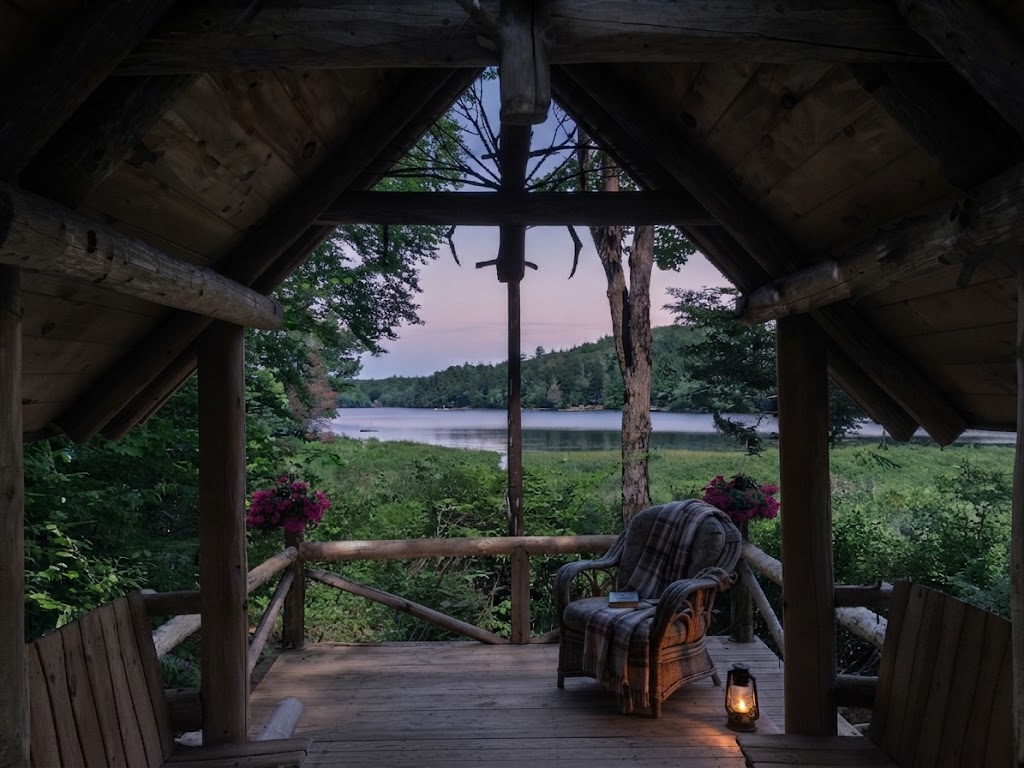
Lake views from glamping sites here are among the best in Cumbria, because the western shore rises steeply enough that even a site a few hundred metres up gets a clear line down the water. That is not true at Windermere, where the eastern shore development blocks most of it.
Natural attractions nearby:
- Aira Force, a 20-metre waterfall in National Trust woodland on the western shore. Twenty minutes from the car park and worth it.
- Gowbarrow Fell, just above Aira Force, for a short circuit with a big view.
- Hallin Fell, 388 metres, from Howtown. Forty minutes for the best value view in England.
- Helvellyn, 950 metres, via Striding Edge from Glenridding. Six hours and real scrambling.
- The Ullswater Way, a 20-mile circuit of the lake, easily broken into steamer-assisted sections.
- Glencoyne Bay and Howtown for swimming, both with easy shingle entry.
Activities while glamping here: walking above all, then swimming, then paddleboarding and kayaking from Glenridding or Pooley Bridge, then the steamer, then simply sitting outside your unit watching light move down the lake, which is a legitimate activity and the main reason to pay for a west-facing pitch.
Additional Activities in the Lake District
Walking trails within reach:
- Hallin Fell, 40 minutes, easy, enormous reward
- Gowbarrow Fell, 2 hours, easy, waterfall included
- Place Fell, 3–4 hours, moderate, quiet
- Helvellyn via Striding Edge, 6 hours, hard, exposed scrambling
- High Street from Hartsop, 6 hours, hard, Roman road along a ridge
- Ullswater Way, Howtown to Patterdale, 3 hours, moderate, steamer one way
Cultural and historical sites:
- Lowther Castle and Gardens, near Penrith — a ruined shell with restored gardens and an exceptional children's playground
- Dalemain, a historic house near Pooley Bridge, known for its marmalade festival
- Penrith Castle and the town's Tuesday and Saturday markets
- Castlerigg stone circle, half an hour west near Keswick
- Askham and Bampton, two of the prettiest villages in Cumbria, both with pubs
Family-friendly options around Ullswater: the steamer, which children reliably enjoy; Aira Force, which is short enough for small legs; Lowther Castle's playground, which is worth a whole afternoon; Treetop Nets and Trek at Brockhole, twenty-five minutes away; and swimming at Glencoyne Bay on a warm afternoon.
Evaluating Glamping Experiences
Visitor Reviews of Ullswater Glamping Sites
Hillcroft Park feedback is consistent with what an established holiday park delivers: praise for facilities, cleanliness, the walk to Pooley Bridge and the range of accommodation; reservations about density in peak season and the general holiday-park atmosphere. Guests who wanted a quiet field are occasionally disappointed, and guests who wanted a shop and a hot shower are not.
Troutbeck Head Experience Freedom Glamping reviews emphasise reliability and consistency — the fit-out matches the photographs, the booking system works, the facilities are maintained. The recurring reservation is the distance from Ullswater itself, since the site sits inland on higher ground. Families rate it well; couples looking for lake views sometimes find the position not quite what they expected.
The Quiet Site attracts the most enthusiastic reviews of the three and also the most polarised. Praise concentrates on the views, the environmental commitment, the genuinely unusual accommodation and the bar. Criticism concentrates on the access lane, the walk down to the lake and back up, and — from a minority — on noise in high season, which visitors find ironic given the name. Our reading: the site's environmental work is real and unusually thorough, and expectations set by the name should be adjusted downwards in August.
Sustainability Practices at Ullswater Glamping Sites
Environmental performance varies widely across Lakeland glamping, and the Ullswater cluster sits above average.
The Quiet Site has built its identity on this and the measures are substantive rather than cosmetic. Expect ground-source heating, significant solar generation, biological or reed-bed waste-water treatment, rainwater harvesting, electric vehicle charging, extensive recycling infrastructure, and earth-sheltered accommodation that uses the hillside itself as insulation. The site has collected national awards for it over many years.
Hillcroft Park, as an established holiday park, follows the sector pattern: energy efficiency in buildings, recycling provision, EV charging, and progressive replacement of older units with better-insulated ones.
Troutbeck Head, operating within a national club structure, applies group-level environmental policy — waste reduction targets, energy monitoring, and conservation work on site.
What to look for if this matters to you when booking anywhere in Cumbria:
- Heating source: air-source or ground-source heat pumps rather than direct electric or LPG
- Waste water: reed bed or biological treatment rather than tankered removal
- Insulation standard in the units themselves, which is the biggest single factor
- Whether hot tubs are drained daily or managed on a longer cycle
- Recycling that actually separates, rather than one bin labelled optimistically
- Whether the site does anything for biodiversity — hedgerows, wildflower margins, tree planting
Worth noting: glamping is inherently lower-impact than most accommodation, because the structures are small, demountable and cheap to heat. A well-insulated pod on a farm has a considerably smaller footprint than a hotel room. The Lake District National Park Authority publishes guidance on responsible visiting that is worth reading regardless of where you stay.
Questions people ask
Is Ullswater better than Windermere for glamping?
For most trips, yes. Ullswater is quieter, cheaper, has the better shoreline walk and puts you closer to the high eastern fells. Windermere wins on restaurants, train access and boat frequency. If you are walking, choose Ullswater.
What is the best walk from an Ullswater glamping site?
Hallin Fell above Howtown: forty minutes up, and the view down the lake is out of all proportion to the effort. For a full day, the Ullswater Way shoreline path from Howtown to Patterdale, using the steamer one way. For a summit, Helvellyn from Glenridding.
Can you get to Ullswater without a car?
Yes. Take the train to Penrith on the West Coast Main Line, then the 508 bus towards Patterdale, which serves Pooley Bridge, Aira Force and Glenridding. Several sites will collect you from the bus stop if you ask.
Can you swim in Ullswater?
Yes, and it is one of the best swims in the district. The eastern shore near Howtown has shallow, clear entry points. Water reaches 16 to 18°C in August. Watch for steamer traffic and stay close to the shore.
Are Ullswater glamping sites eco-friendly?
Several are notably so, more than the Lakeland average. Expect ground-source or air-source heating, solar contribution, reed-bed or biological waste treatment, electric vehicle charging and serious recycling. The Quiet Site in particular has built its identity on it.