Pod breaks
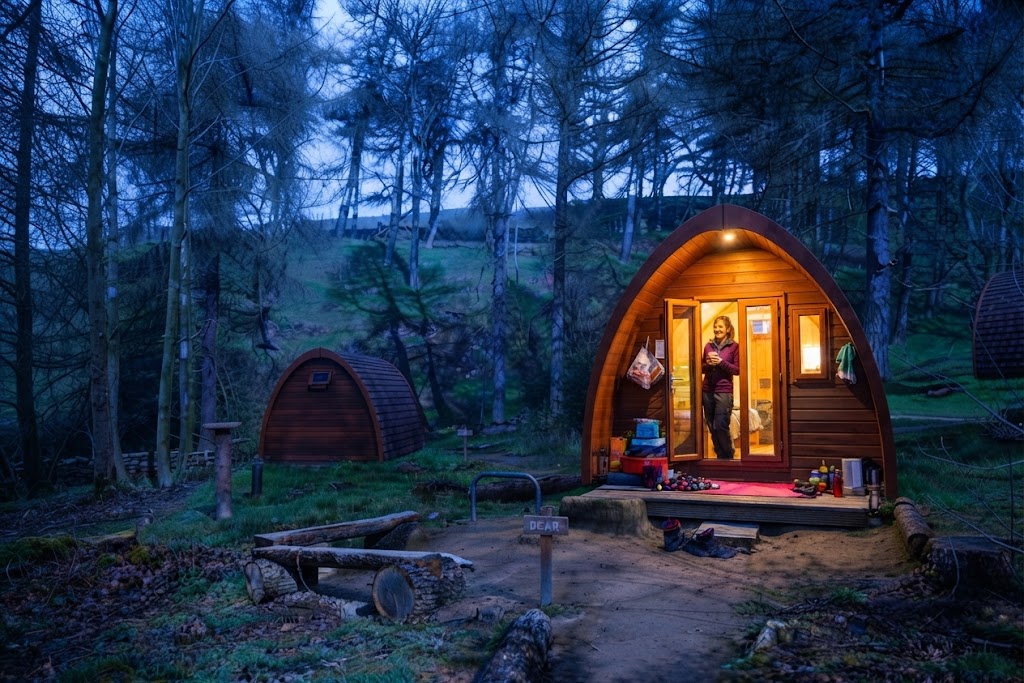
Discover Pod Glamping in the Lake District: A Unique Outdoor Experience
Where pod glamping actually works in Cumbria, what an ensuite pod adds, how dog policies differ, and the budget you need for two, three or five nights.
TL;DR
- Windermere and Keswick are the two anchor locations for pod glamping — Windermere for boats and trains, Keswick for fells and gear shops.
- An ensuite glamping pod costs £160–£240 and is the tier most people should book.
- Dog friendly camping pods are widespread; budget £8–£15 per dog per night on top.
- Larger established sites like Park Cliffe trade character for facilities, and for families that trade well.
- Realistic five-night budget for two, midweek in shoulder season: £850–£1,100 all in.
Exploring the Lake District
Top Locations for Pod Glamping
The Lake District is England's largest national park: 2,362 square kilometres, sixteen major lakes, 214 catalogued fells, one UNESCO World Heritage listing dating from 2017. Pod glamping has spread across almost all of it, though not evenly.
Two places anchor the market.
Windermere. England's largest natural lake, 16.9km long, with the park's densest concentration of shops, restaurants and boat operators along its eastern shore. Windermere has a railway station, which makes it the one part of the Lakes you can reach and enjoy without a car. Pod sites cluster on the approaches rather than the shoreline, since lakeside development is restricted. Expect a walk or a short drive to the water, and expect to pay 15 to 25% more than the quiet valleys.
Around Windermere: lake cruises between Bowness, Ambleside and Lakeside; Orrest Head, a forty-minute walk from the station for the view that converted Wainwright; the World of Beatrix Potter; Hill Top at Near Sawrey; Blackwell, the Arts and Crafts house; and Wray Castle on the western shore.
Keswick. A market town of about 5,000 people at the northern end of Derwentwater, and the practical capital of Lakeland walking. Pod supply here runs to larger campsite pod fields rather than boutique units, with correspondingly lower rates. What you get for that is the ability to walk out of your pod and up a mountain.
Around Keswick: Catbells, Skiddaw at 931m, Blencathra, Latrigg for an easy hour; Derwentwater launches running a circular service; Castlerigg stone circle; the Theatre by the Lake; Whinlatter Forest for bike trails; and Borrowdale, which is both the most beautiful valley in England and the wettest.
| Windermere | Keswick | |
|---|---|---|
| Pod rate, standard tier | £140–£200 | £110–£165 |
| Train access | Direct branch line | None. Bus from Penrith |
| Walk from the door | Usually a drive | Often straight onto a fell |
| Restaurants | Many, some very good | Solid pub kitchens |
| Summer traffic | Severe | Moderate |
| Rainfall | ~1,600mm | 2,000mm+, more in Borrowdale |
| Best for | Car-free trips, families wanting boats | Walkers, dogs, value |
Why Choose the Lake District for Glamping
The landscape rewards accommodation that puts you outside. Sixteen lakes, several hundred tarns, oak woodland, high fell, limestone scar, and estuary marsh, all within an hour. Activities to match: walking, swimming, sailing, kayaking, paddleboarding, mountain biking, ghyll scrambling, climbing, fell running, and simply sitting outside a pod with a drink while the light changes on a hillside.
Cultural and historical attractions are unusually dense for a rural area:
- Dove Cottage and the Wordsworth Museum in Grasmere
- Hill Top, Beatrix Potter's farm, and her wider legacy of 4,000 acres given to the National Trust
- Brantwood, John Ruskin's house above Coniston Water
- Castlerigg stone circle, roughly 4,500 years old and free to visit
- Hardknott Roman Fort, on the most alarming road in England
- Lowther Castle and Gardens near Penrith
- Honister Slate Mine, still working, with a via ferrata
The appeal of glamping amidst all that is largely about proximity and cost. A pod on a farm at £150 sits somewhere a hotel could never be built, and it lets you be on the hill at eight in the morning rather than at ten after breakfast service.
Understanding Pod Glamping
Types of Glamping Pods Available
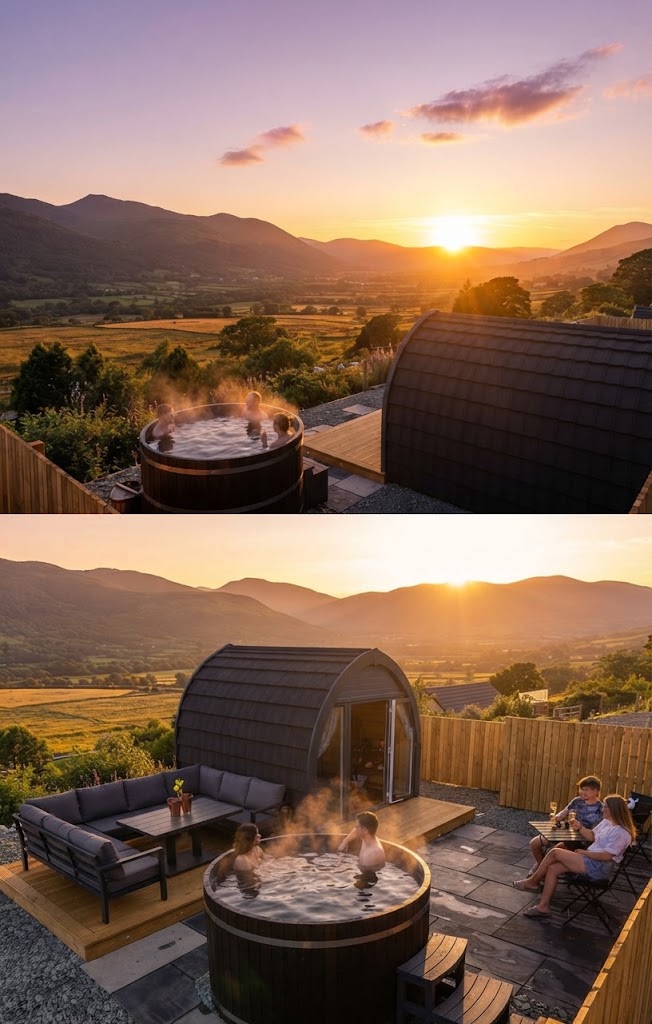
Pod glamping means sleeping in a small insulated timber cabin with a curved roof, sited on a farm or campsite, with the bed, power and heat supplied. Beyond that shared definition, the market divides into recognisable types.
- Standard pod. 3m by 5m, one open space, double bed, panel heater, shared facilities. The volume product.
- Family or mega pod. 4m by 6m or larger, sometimes with a partition, sleeping four to six. Fewer of these about.
- Ensuite glamping pod. Standard footprint plus a partitioned shower room and WC. The tier most people should book.
- Stargazing pod. Glazed gable or roof light positioned for the sky. Genuinely good in the dark northern valleys.
- Eco pod. Green roof, sheep's-wool insulation, solar contribution, composting or low-flush WC. Often the nicest built.
- Landpod or camping pod, basic. Shell, mattress platform, one socket. Bring everything. Cheap.
The ensuite glamping pod deserves the emphasis. Adding a shower room to a pod costs the operator real money and takes floor space, which is why the tier carries a £40 to £80 nightly premium. What you get back is the ability to use a bathroom without dressing, walking outside, or waiting behind three people at 8.15am. In a Cumbrian October that is not a luxury.
Amenities Offered in Glamping Pods
Common amenities across the market:
| Amenity | Basic | Standard | Ensuite | Luxury |
|---|---|---|---|---|
| Bed and mattress | Yes | Yes | Yes | Yes, king |
| Bedding made up | No | Yes | Yes | Yes, plus towels |
| Mains sockets | 1–2 | 2–4 | 4 | 4+, USB |
| Heating | Panel heater | Panel heater | Thermostatic | Underfloor |
| Kettle and fridge | No | Yes | Yes | Yes |
| Hob and sink | No | Sometimes | Yes | Yes |
| Shower and WC | Shared | Shared | Private, inside | Private, inside |
| Private hot tub | No | No | Sometimes | Yes |
| Outdoor furniture | Picnic bench | Picnic bench | Bench and fire pit | Decking, real furniture |
Pet-friendly provision varies by site rather than tier. Dog friendly camping pods usually mean hard floors, a supplied towel, a bowl, and a fee. The better ones add an enclosed area where a dog can be off the lead, which matters more than any amenity inside the pod. Very few sites permit a dog to be left alone inside, so factor that into how you plan your days.
Pet-Friendly Glamping Options
Dog-Friendly Glamping Pods
Pods suit dogs structurally. There is no carpet to ruin, no upholstery to shed on, and the floor mops. That is why a much higher share of Lakeland pods accept dogs than Lakeland cottages do.
Benefits, plainly: no kennel cost, no separation, and a dog that is delighted for six straight days. The Lake District is one of the best places in England to walk a dog, since the great majority of fell paths are open access and the whole point of the holiday is walking.
Policies and facilities to check before booking:
- Fee per dog per night, and whether it is capped
- Maximum number of dogs, which is usually two
- Whether dogs may be left unattended, which is usually no
- Whether there is an enclosed area or dog paddock
- Whether the pod has a hard floor and a step-free entrance
- Whether the hot tub area is off limits to dogs, which it will be
- Whether nearby pubs accept dogs inside or only in the beer garden
Practical warnings specific to Cumbria. Sheep are everywhere, including on open fell paths, and lambing runs March to May — keep the dog on a lead and expect farmers to be blunt about it. Cattle with calves are more dangerous than sheep; if cattle move towards you, release the dog. Blue-green algae blooms on still water in late summer are lethal to dogs. And ticks are abundant in bracken, so check nightly.
Site-level detail on dog friendly glamping pods, and a wider view in dog friendly glamping.
Spotlight on Park Cliffe Camping Pods
Features of Park Cliffe Camping Pods
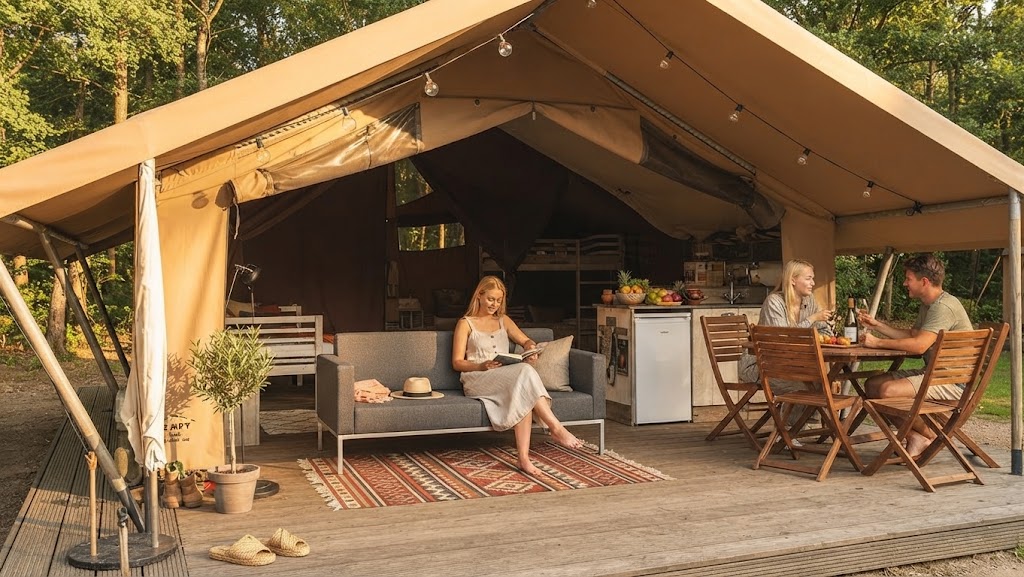
Park Cliffe is a long-established campsite on the eastern side of the Windermere valley, near Birks Road above the lake, and its pods represent the larger-site end of Lake District pod glamping. It is a useful example because it works on almost exactly the opposite principle to a three-pod farm.
What a site of this type offers:
- Serious facilities. Heated shower blocks, laundry, washing-up areas, a shop, usually a bar or food service.
- Multiple accommodation types. Pods alongside touring pitches, tent fields and sometimes lodges, so mixed groups can all stay.
- Reliability. Staff on site, a booking system that works, and maintenance that happens the same day.
- Setting. Elevated ground above Windermere with views towards the Langdale Pikes.
- Family infrastructure. Play areas, other children, safe internal roads.
What it does not offer: solitude. A large site in August is a village. You will hear neighbours, see other people's washing, and queue occasionally. For families that trade is usually correct, and for couples seeking silence it usually is not.
Surrounding attractions from this part of the valley: the lake itself and the Lakeside cruise terminal; Newby Bridge and the Lakeside and Haverthwaite Railway; the Old Man of Coniston within half an hour; Grizedale Forest for bike trails; and Cartmel with its priory and disproportionately good food.
Booking Your Stay at Park Cliffe
Large sites book differently from small ones. The calendar is real, the terms are fixed, and there is little scope for negotiation — but availability is more predictable and the system works.
How to approach it:
- Book direct through the site's own system. Established campsites rarely benefit from third-party platforms, and their own calendar is the accurate one.
- Watch the minimum stay. Larger sites often impose three nights over bank holidays and two the rest of the season.
- Choose your pitch position deliberately. A pod near the shower block is convenient and noisy; one at the field edge is quieter and further from everything.
- Book school holidays four to six months ahead. Established family sites fill first.
- Check the season dates. Many Windermere-area sites close from November to March.
- Read the group policy. Large sites frequently restrict all-adult groups and stag or hen bookings.
Seasonal pricing at big sites follows the same curve as the rest of the market: peak in the school summer holidays, a step down in May, June and September, and a substantial discount at either end of the open season.
Planning Your Glamping Budget
Cost of Glamping in the Lake District
Average pod costs, two adults, one night:
- Basic camping pod: £95–£125
- Standard pod, bed made up: £125–£160
- Ensuite glamping pod: £160–£240
- Luxury pod with private hot tub: £240–£400
Standard against ensuite is the comparison most people are actually making. The difference is £40 to £80 a night, so £200 to £400 across a five-night stay. Our view: pay it, unless the weather forecast is exceptional or you are twenty-five and indestructible.
A realistic full budget, two people, five nights midweek in shoulder season:
| Item | Low | High |
|---|---|---|
| Pod, 5 nights | £550 | £750 |
| Food and drink, self-catering with two pub meals | £180 | £260 |
| Fuel and parking | £60 | £110 |
| Attractions, steamer and one property | £45 | £80 |
| Firewood and extras | £20 | £40 |
| Dog, if applicable | £40 | £75 |
| Total | £855 | £1,315 |
Budgeting tips that actually reduce the number:
- Travel Sunday to Friday. Weekend nights carry a £20–£50 premium.
- Take the second half of September over August. Same water temperature, 20% off.
- Big shop once in Penrith, Kendal or Keswick. Village shops are convenient and expensive.
- Skip the hot tub in high summer and spend it on the boat and a good dinner instead.
- Buy a National Trust membership if you will visit three properties. It pays for itself.
- Ask about longer-stay discounts on nights four and five. They exist and are rarely advertised.
For the cheapest viable version of this trip, see cheap camping pods and cheap Lake District glamping.
Questions people ask
What is pod glamping?
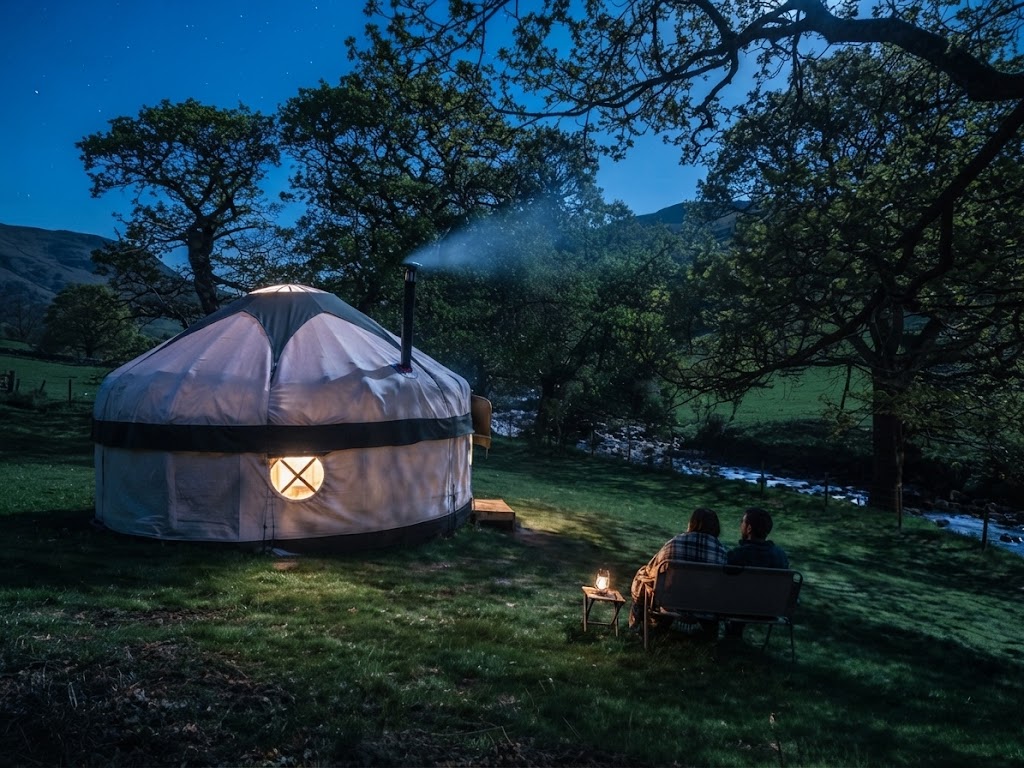
Staying in a small insulated timber cabin with a curved roof, on a campsite or farm, with a bed and mains power supplied. The term is interchangeable with glamping pods and camping pods; operators use whichever phrasing they prefer.
Is an ensuite glamping pod worth the extra?
For most people, yes. It removes the 3am walk, the morning queue and the wash-bag trek across wet grass. It is the upgrade we would buy before a hot tub, before a bigger bed and before anything else on the list.
Can I bring two dogs to a Lake District camping pod?
Often, though two is usually the cap and some sites allow only one. Confirm in writing rather than assuming, and expect a per-dog nightly fee. Very few sites permit dogs to be left in the pod unattended.
Are big campsites with pods worse than small farm sites?
Not worse, different. Big sites give you a shop, a play area, reliable facilities and other children. Small farm sites give you quiet, space and an owner who knows the fells. Choose by who is travelling with you.
How much should I budget for a pod glamping break?
For two people, five nights, midweek, shoulder season, in a standard pod: roughly £850 to £1,100 including accommodation, food, fuel and a couple of paid attractions. Add £350 or so if you want the hot tub tier.