The whole Windermere pod market
Discover Lake Windermere Pods: Unique Accommodation in the Heart of the Lake District
Every kind of pod within reach of England's largest lake, from a working farm in a dead-end valley to a landscaped park with a shop. What each one is actually for.
TL;DR
- Nothing sits on Windermere's shore. Pods occupy the higher ground and side valleys, five to twenty-five minutes from the water.
- Three models: farm pods (Kentmere style), landscaped luxury pods, and pod fields on large caravan parks (Park Cliffe style).
- Rates £120–£420 depending on tier and season. Windermere carries a 15–25% premium over quieter Cumbria.
- Ensuite is the upgrade worth buying. Hot tub is the upgrade worth buying out of season only.
- Book direct, book the specific unit, and read the cancellation terms before paying.
Introduction to Lake Windermere Pods
What are Lake Windermere Pods?
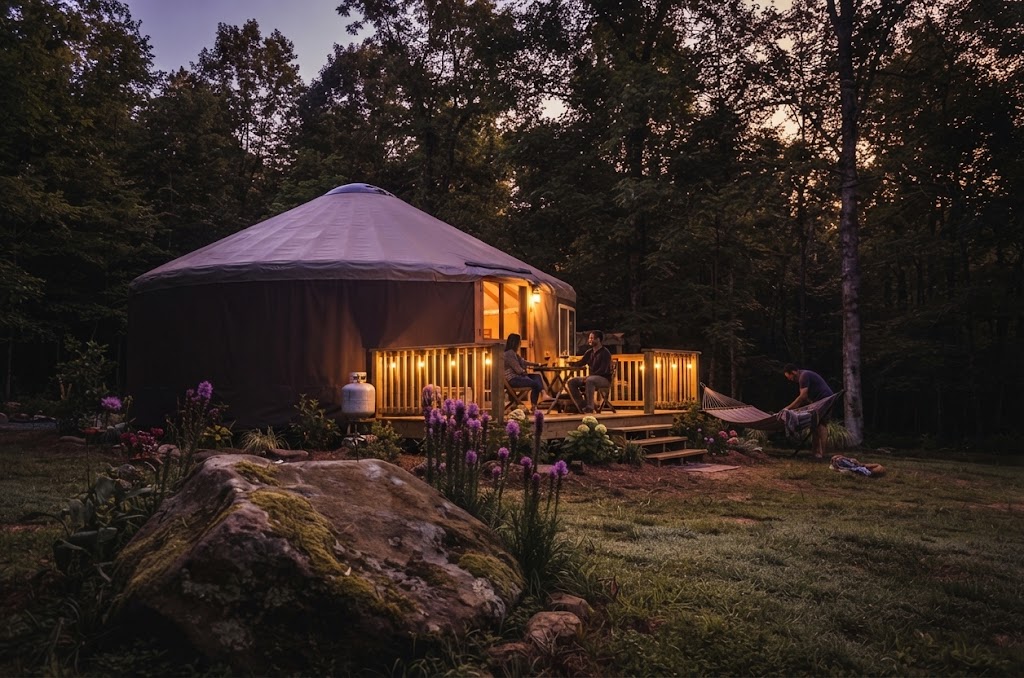
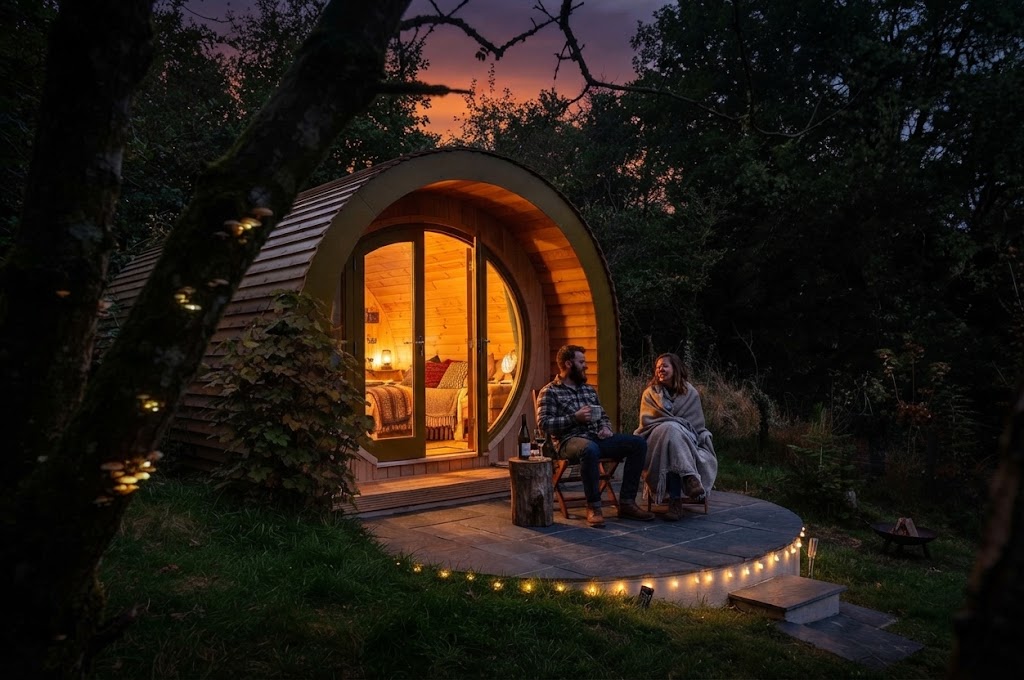
Lake Windermere pods are small insulated timber cabins used as holiday accommodation on farms, campsites and holiday parks within reach of England's largest natural lake. The structure is standardised enough to describe in one sentence: a curved or apex timber shell, roughly 3m by 5m, insulated, wired, with a bed at one end and a door with a view at the other.
The appeal of staying in a pod near Windermere is a compromise that happens to work well. Hotels in Bowness and Windermere are expensive and put you inside a building. Cottages want three nights and cost more. Campsites put you on the ground. A pod costs between a pitch and a cottage, takes two nights, keeps you outdoors, and stays dry in Cumbrian weather.
Pod accommodation has become genuinely popular in this area — the highest concentration of glamping demand in the national park sits within a few miles of this lake. That popularity has consequences: availability is tighter and rates are 15 to 25% above equivalent accommodation in quieter Cumbrian valleys.
Location and Proximity to Lake Windermere
Windermere runs 16.9 kilometres north to south through the southern Lake District, reaching 64 metres deep and around 1.5 kilometres at its widest. Fourteen islands sit in it, the largest being Belle Isle. The eastern shore holds the settlements; the western shore is wooded, quieter and reached by the Bowness ferry or the long way round.
Where pods actually sit:
| Position | Distance to water | Rate, standard pod peak | Character |
|---|---|---|---|
| Higher ground behind Bowness | 10–25 min walk | £175–£220 | Convenient, landscaped, busy |
| Eastern approach from Kendal | Short drive | £150–£195 | Quieter, cheaper, still close |
| Southern end, Newby Bridge | 5–15 min walk | £155–£200 | Woodland, steam railway, calmer water |
| Western shore, Sawrey and Hawkshead | 10–20 min walk | £150–£200 | Beatrix Potter country, ferry crossing |
| Kentmere and Troutbeck valleys | 15–25 min drive | £135–£175 | Genuinely quiet, walker's ground |
Scenic views vary more than distance does. A pod fifteen minutes from the water on a terraced hillside may have a clear view down the lake; a pod five minutes away behind a hedge may have none. Ask which way the pod faces and what is between it and the view. West-facing is worth paying for — evening light across the lake towards the Coniston and Langdale fells is the best thing about this side of the valley.
Types of Pods Available
Exploring Windermere Glamping Pods
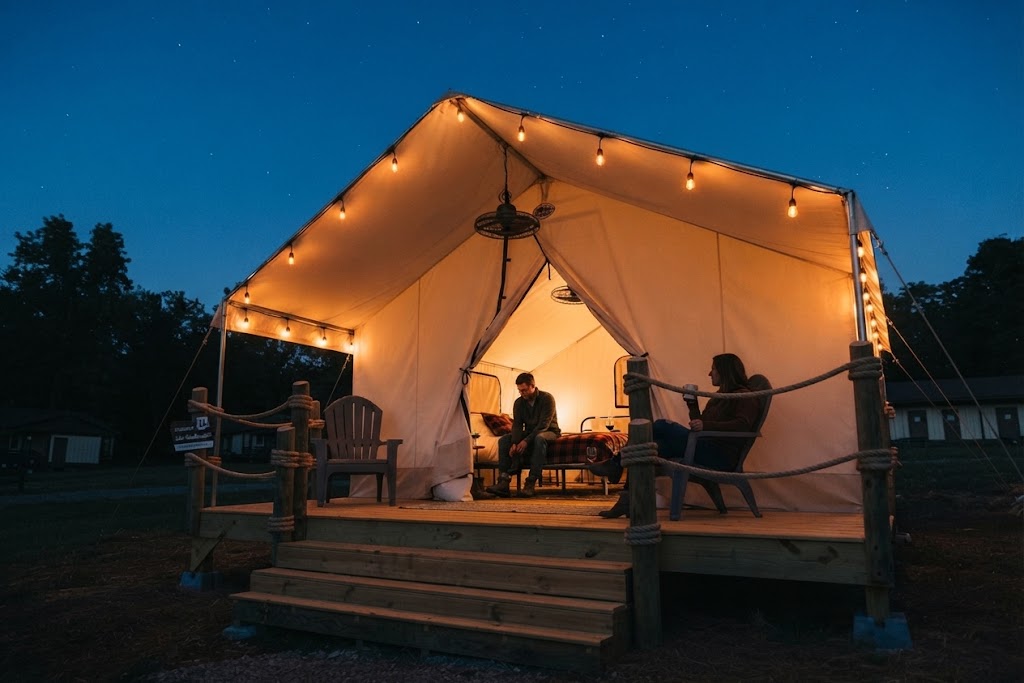
The luxury end of the Windermere pod market is well developed, because demand supports it. Luxury features you will find:
- En-suite shower room and WC, plumbed, with real water pressure
- Kitchenette: induction hob, fridge, sink, crockery, sometimes a small oven
- King bed made up with linen, towels supplied
- Thermostatic or underfloor heating
- Private decking with proper furniture
- Private hot tub at the top tier
- Larger footprint, 20 to 30 square metres, sometimes partitioned
The appeal of glamping specifically in this part of the Lake District is that the location does half the work. You can walk to a restaurant, take a boat, ride a steam train, visit three historic houses and climb a fell, all without moving your car. Very little of rural England offers that.
Design and comfort at the upper tier has improved sharply over the last decade. Early pods were sheds with a mattress. Current builds use engineered timber frames, high-performance insulation, decent glazing and proper ventilation, which is why a modern pod is comfortable in February and an older one is not. If a site's photographs look like 2012, ask when the pods were built. More detail at Windermere glamping pods and Windermere luxury camping pods.
Kentmere Farm Pods and Other Options
Kentmere Farm Pods sit in the Kentmere valley, a dead-end running north from Staveley to the east of Windermere. One narrow road in, no through traffic, a population in the low dozens, and the Kentmere Round — one of the best horseshoe ridge walks in the Lake District — starting from the valley head.
The farm pod model delivers a specific set of things:
- Two to six units on working farmland, well spaced
- An owner who is also the person who cleans the pod and knows the weather
- Simple facilities rather than a leisure complex
- Rates £30–£50 a night below equivalent Windermere-side pods
- Genuine quiet, and dark skies
- No shop, no signal, and a single-track access lane
Comparing the pod options within reach of Windermere:
| Farm pods (Kentmere style) | Landscaped luxury site | Pod field on a large park (Park Cliffe style) | |
|---|---|---|---|
| Units | 2–6 | 4–12 | 10–30 pods within a larger park |
| Facilities | Basic, clean | Good, private where en-suite | Extensive: shop, bar, laundry |
| Quiet | Excellent | Moderate | Poor in season |
| Families | Fine, no facilities for children | Fine | Best option: play areas, other children |
| Walk to a fell | From the gate | Short drive | Short drive |
| Peak rate | £135–£175 | £240–£420 | £150–£210 |
The variety of experience across those three is larger than the price gap suggests. A farm pod in Kentmere and a pod on a large park near Windermere are, functionally, different holidays.
Amenities and Features
Amenities Offered by Lake Windermere Pods
Common across essentially all pods here:
- Bed with a real mattress; made up at standard tier and above
- Two to four mains sockets, LED lighting
- Electric heating, panel or thermostatic
- Table, chairs, hooks, shelving
- Outdoor bench, frequently a fire pit or barbecue
- Parking at or near the pod
- Access to a shower and toilet block
- Waste and recycling points
Ensuite facilities change three specific things, all of them at unsociable hours: the 3am trip, the 8.15am queue, and the business of carrying a wash bag across wet grass. Anyone who has done a glamping trip with shared facilities in October understands why the tier exists. With children under ten, or anyone with mobility limitations, we would treat it as necessary rather than optional.
How the amenity set shapes the guest experience overall: a pod is small enough that each individual feature matters disproportionately. A fridge changes how you shop. A covered outdoor space changes what you do when it rains. Blackout blinds change what time you wake in June. None of these sound significant on a listing and all of them are.
Comparing Accommodation Options
Pods vs. Traditional Camping and Caravan Parks
Park Cliffe Windermere Camping and Caravan Park is a useful reference point, since it is an established site on the eastern side of the valley above the lake, offering pods alongside touring pitches, tent fields and other accommodation. It represents the large-park model in its developed form.
| Tent pitch | Camping pod | Touring caravan or motorhome | Static caravan or lodge | |
|---|---|---|---|---|
| Nightly cost | £25–£40 | £150–£210 | £35–£55 plus your vehicle | £140–£280 |
| You need to own | A tent | Nothing | A caravan or motorhome | Nothing |
| Floor space | Variable | 12–18m² | 10–20m² | 25–45m² |
| Bathroom | Shared | Shared or en-suite | On board | On board |
| Kitchen | Camp stove | None to kitchenette | On board | Full |
| Weather resilience | Poor | Excellent | Good | Excellent |
| Outdoors feel | Total | High | Moderate | Low |
The advantages of pods in that comparison are specific. Against tents: dryness, warmth, a real bed and nothing to carry. Against touring caravans: no capital cost and no towing. Against statics and lodges: a lower price, a better position on the site, and a two-night minimum instead of three.
The disadvantage is equally clear. A pod has less space than any of the alternatives except a small tent, and no bathroom unless you pay for the ensuite tier. For a week with a family of five, a lodge wins. For two nights for two people, the pod wins comfortably.
What is unique about the pod experience is harder to quantify. You are in a small timber space with a door that opens onto a field. It is quieter than a caravan, warmer than a tent, and it does not feel like a room. People who like pods like them for that, not for the specification.
Booking and Visitor Experiences
Pricing and Availability of Pods
| Tier | Low season | Shoulder | Peak |
|---|---|---|---|
| Basic camping pod | £85–£115 | £120–£155 | £150–£190 |
| Standard pod | £105–£145 | £145–£185 | £175–£220 |
| Ensuite pod | £145–£195 | £195–£250 | £240–£295 |
| Luxury pod with hot tub | £195–£265 | £265–£335 | £320–£420 |
| Farm pod, Kentmere or Troutbeck | £80–£110 | £110–£150 | £135–£175 |
Factors affecting availability: school holidays first, then summer weekends, then the specific units that are dog friendly or have the best aspect. A site showing availability in August may only have its least popular pod free, which is why booking by unit number matters.
Tips for finding the best deals:
- Sunday to Thursday rather than Friday to Sunday. £20–£50 a night difference.
- Second half of September: warm water, quiet paths, 20% off.
- November to February for the genuine bargains, and pods are heated.
- Look one valley east. Kentmere and Troutbeck undercut the lake side by £40 a night.
- Watch the seven-to-fourteen-day cancellation window.
- Ask about nights four and five on a longer stay.
Booking Process and Policies
Steps to book:
- Fix dates and check the minimum stay. Two nights standard, three over bank holidays.
- Choose the tier. Ensuite or shared is the decision that matters most.
- Choose the specific unit. Ask about aspect, distance from the road and distance from the facilities block.
- Declare everyone, including dogs, at the point of booking.
- Confirm inclusions in writing: bedding, towels, firewood, hot tub, parking position.
- Pay the deposit and diarise the balance date.
- Save arrival instructions offline.
Cancellation and refund policies, typical patterns:
- Deposit of 25–30% at booking, usually non-refundable
- Balance due two to four weeks before arrival
- Full refund of the balance outside 28 days; partial or none inside it
- Weather is generally not grounds for a refund
- Some sites offer a date transfer rather than a refund, which is often the better outcome
- Travel insurance covering cancellation is worth the £15 in a region this weather-dependent
For booking enquiries, go to the site's own website and use their contact form or telephone number. Direct contact is where flexibility lives: single nights out of season, early arrival, an extra dog, a later checkout because Sunday turned out sunny.
User Reviews and Experiences
Common themes across reviews of pods near Lake Windermere:
Positive, repeatedly:
- The location, and being able to walk to Bowness or the shore
- How warm and dry the pods are, which surprises first-time glampers
- The ensuite where present
- Views from the better-positioned units
- Owners and staff who are helpful about walks and weather
Concerns, repeatedly:
- Price. This is the most expensive glamping area in Cumbria
- Site density and neighbours being closer than the photographs suggested
- Nowhere to dry wet walking gear — universal, and unlikely ever to be solved
- Storage inside the pod, or the absence of it
- Summer traffic on the A591 and parking in Bowness
- Mobile signal on the higher ground and in the side valleys
The pattern worth taking away: complaints about Windermere pods are almost never about the pods. They are about price, crowds and traffic, which are properties of the location rather than the accommodation. If those matter to you, look at Ullswater or the Kentmere valley instead, and accept a longer drive to a restaurant.
Questions people ask
How close to Lake Windermere can you stay in a pod?
Five to ten minutes' walk at the closest sites, and that is genuinely close. Nothing is on the shore itself, because that land is protected, National Trust-held or long since built on. Treat "lakeside" in a listing as marketing.
What is the difference between a camping pod and a caravan?
A pod is a small insulated timber cabin, usually 12 to 18 square metres, with a bed and heating but often no bathroom or kitchen. A static caravan is 25 to 40 square metres with both. A pod costs less, sits in nicer places, and feels like being outdoors; a caravan is more practical for a week.
Do Windermere pods have ensuite bathrooms?
The higher tiers do. Around Windermere the ensuite tier starts at roughly £195 a night in shoulder season. Below that you use a shared facilities block, which at the better sites is heated and well maintained.
When should I book a pod near Windermere?
Four to six months ahead for July and August. Six to eight weeks for May, June and September. A fortnight is usually fine from November to March, and you can often get a single night then too.
Can I cancel a pod booking and get a refund?
Terms vary. A common pattern is a non-refundable deposit of 25 to 30%, with a full refund of the balance if you cancel more than 28 days out and nothing inside that. Weather is not usually grounds for a refund, which is why travel insurance is worth considering.